


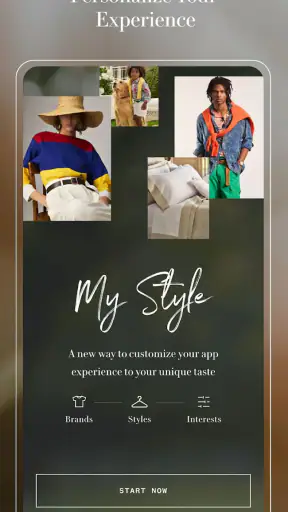
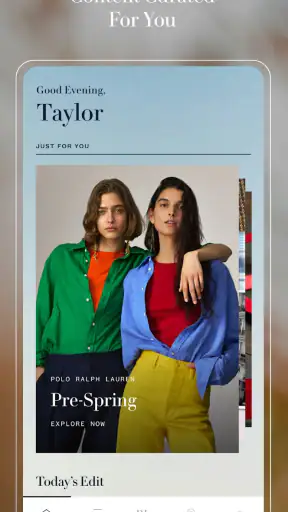
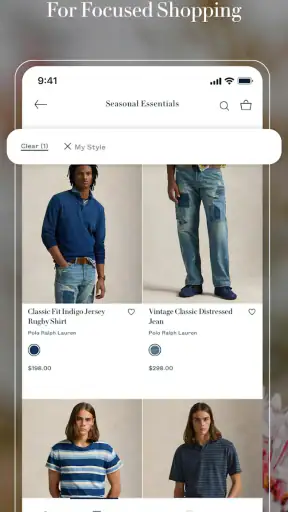
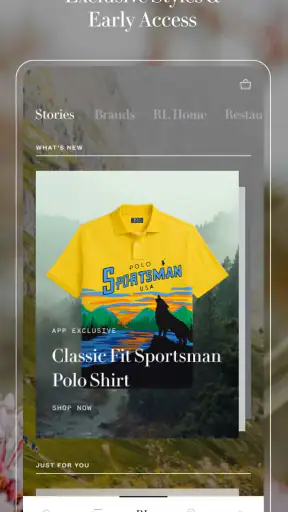
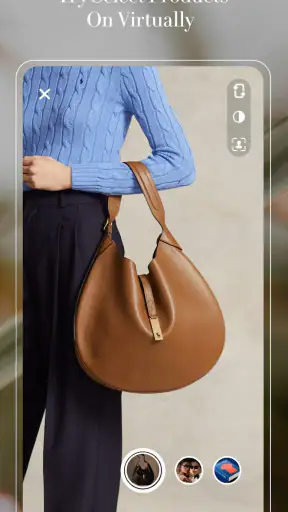
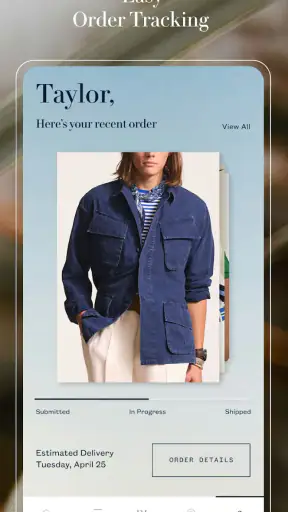
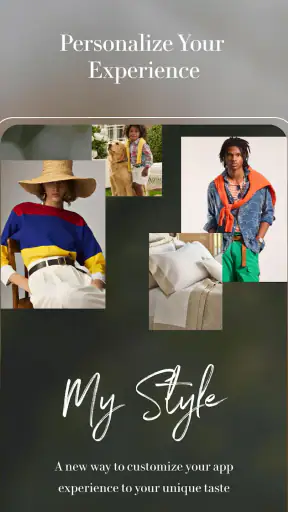

I approached Ralph Lauren: Luxury Shopping as I would any fashion app I might keep on my phone: not just by browsing attractive product pages, but by checking whether it makes the practical parts of shopping easier. This is a shopping app from Ralph Lauren Corp focused on the brand’s clothing, shoes, and accessories. It is free to install, rated for Everyone, and has built a strong audience, with an average rating of 4.8 from around 4.8K ratings and more than 1M installs.
My first impression was that the app works best when I already have a clear idea of what I want. If I am looking for a particular type of shirt, a gift, or something to complete an outfit, a brand-focused catalog feels more useful than scrolling through a large marketplace filled with unrelated sellers. At the same time, it is not trying to be a general shopping destination. That narrow focus is both its main attraction and its biggest limitation.
How the app fits into a shared household shopping routine
A realistic use case is a household where one person notices a new jacket or pair of shoes and wants a second opinion before buying. I can browse on my own, show the product to someone nearby, and compare colors or styles without opening a full desktop site. This makes the app convenient for casual coordination, especially when shopping is part of a conversation rather than a solitary task.
However, I would not treat it as a shared account space. The app is better understood as a personal shopping tool that can be used around other people. If several household members use the same phone, I would keep the person responsible for the purchase involved from the beginning, particularly when an order, saved item, or account detail is involved. A shared device does not automatically mean shared preferences, shared payment information, or shared responsibility.
That distinction matters with fashion. One person may be browsing for everyday clothing, while another is looking for a present or a more formal item. Mixing those intentions can make a shopping session confusing. I found it more efficient to decide who the item is for before browsing deeply, then use the app to narrow the search rather than treating the catalog as a communal wish list.
The app is also useful when a household member is helping someone who is less comfortable with online shopping. One person can handle navigation while the other makes the style decision. I would still review the final item, size, color, and delivery details together before completing anything. That small pause prevents the common problem of mistaking a visually similar product for the one everyone agreed on.
Starting with a clear purpose instead of endless browsing
Luxury fashion catalogs can encourage browsing for its own sake, but that is not always the best use of time. My more successful sessions began with a simple question: am I replacing something, buying a gift, building an outfit, or just looking for inspiration? Each goal changes how I use the app.
For a replacement purchase, I focus on the product type and familiar design details. For a gift, I pay closer attention to presentation, color, and whether the item feels appropriate for the recipient. For outfit planning, I move between categories more deliberately, checking whether the pieces work together rather than judging each product in isolation.
This approach also makes shared shopping less tiring. Instead of handing someone a phone and asking them to browse everything, I can bring them a small selection to discuss. The app supports that kind of visual conversation well because the brand’s range stays within a recognizable style, even though the final choice still requires personal judgment.
What setup feels sensible on a household device
On a personal phone, setup is straightforward: install the free app, open the catalog, and begin exploring. The current version is 4.6.3, and it requires at least OS 10. That requirement is worth checking before asking someone else in the household to install it, especially if the device is older or shared between family members.
I would avoid setting up shopping access casually on a device used by children or guests. The Everyone content rating describes the app’s general age suitability, but that does not turn a shared phone into a shared purchasing environment. A child may be able to look at clothing without any issue, while an adult should still supervise decisions involving an account, an order, or personal information.
For a household, the cleanest arrangement is to let each regular shopper browse according to their own purpose and involve the account holder only when the purchase is ready to be checked. That keeps product discovery separate from responsibility for the transaction. It also avoids the awkward situation where one person assumes another person has saved, selected, or approved something simply because it appeared on the same device.
I would also suggest making a quick note of the intended recipient when shopping for someone else. This sounds obvious, but it is a useful boundary when several people are browsing gifts or seasonal clothing. The app can show the visual options; the household still needs to manage the human details around the purchase.
Coordinating choices without turning the app into a group project
One of the app’s practical strengths is that it gives a household a focused place to discuss Ralph Lauren items. Instead of sending someone through a broad marketplace, I can show a specific product and ask a direct question about the color, cut, or overall style. That makes coordination faster than describing a product from memory.
Still, I would not rely on memory alone when comparing several items. Product images can make similar colors or silhouettes appear closer than they are. My preferred workflow is to compare only a few candidates at once, confirm the intended category, and then revisit the favorite before making a decision. This is especially helpful when two items look suitable on a small phone screen but serve very different purposes in a wardrobe.
For gifts, coordination should include the recipient’s habits rather than just the purchaser’s taste. A polished item may look impressive in the catalog but be less useful if the person rarely wears that style. I found the app more valuable as a tool for narrowing possibilities than as a substitute for knowing the person who will receive the item.
For couples or roommates, the same principle applies. The app can support a joint decision, but it should not silently merge preferences. One person’s interest in a particular collection or look should not be treated as a household preference. Keeping the conversation explicit makes the shopping session feel collaborative without making the app responsible for organizing everyone’s choices.
Age, trust, and who should be responsible for the purchase
The Everyone rating makes the app approachable for browsing across a household. I can imagine a teenager looking at clothing ideas with a parent, or a family member helping someone choose a present. That broad accessibility is useful because the app is not limited to a specialist audience or a narrow age group.
Browsing and buying are different activities, though. I would be comfortable letting a younger family member explore styles with supervision, but I would keep the adult purchaser responsible for reviewing the final selection. The important checks are simple: who will wear it, whether the chosen size makes sense, whether the color is intentional, and whether the order details belong to the right person.
Trust also matters when a device is shared. If another person is signed in or has access to the same phone, I would not assume that their browsing reflects my own preferences. Nor would I leave a purchase decision to someone who has only been asked to “take a look.” A clear handoff is better: this is the item, this is the recipient, and this is the person who will approve the order.
For older relatives who prefer help with online shopping, the app can be a comfortable visual guide. I would sit with them, explain the categories in ordinary terms, and let them make the final style choice. That preserves the personal part of fashion while reducing the friction of navigating a large catalog alone.
Where this app is stronger than a general marketplace
Compared with a broad shopping marketplace, the Ralph Lauren app feels more focused. I am not filtering through unrelated brands, third-party listings, or a huge range of price levels. If I already want Ralph Lauren, that concentration saves time and gives the browsing session a more coherent feel.
It is also a better fit for someone who cares about the brand’s overall visual language. A general marketplace is useful when I want to compare many labels, hunt for the lowest price, or search for a very specific technical feature across manufacturers. This app makes more sense when the brand itself is part of the decision.
That focus comes with a trade-off. If I am undecided between Ralph Lauren and several competing labels, I would rather use a broader shopping service for the comparison stage. The dedicated app is not the ideal tool for surveying the entire fashion market. It becomes more useful after I have already decided that this brand belongs in the shortlist.
I also see a difference in how I would use the two types of service with a household. A marketplace can help compare alternatives for a shared budget, while this app is better for discussing a particular Ralph Lauren look or gift. Neither approach is universally better; they answer different shopping questions.
Small workflow improvements that make browsing more useful
My first practical tip is to separate inspiration from commitment. I can browse freely at the beginning, but once an item becomes a serious candidate, I slow down and inspect it again. That second look is where I check whether the piece actually matches the intended use instead of relying on the first attractive image.
My second tip is to involve the recipient earlier when the purchase is a gift. Asking for a general preference before browsing is more effective than presenting a large collection of random options afterward. The app’s focused catalog works well when I use it to translate that preference into a manageable set of possibilities.
A third useful habit is to use a shared session for discussion, not for assumptions. If two people are choosing together, I would say out loud which item is being considered and why. That sounds basic, but it avoids confusion when multiple colors or similar garments appear in sequence.
Finally, I would not judge an item only by how it looks on a phone. Fashion is highly dependent on context, so I think about the recipient’s existing wardrobe, typical occasions, and willingness to care for the item. The app can present the product clearly, but it cannot make that personal decision for me.
Limitations I noticed before recommending it
The biggest limitation is its narrow scope. Anyone looking for a cross-brand comparison, a bargain hunt, or a broad selection of independent labels will probably find a general marketplace more efficient. Installing a dedicated app makes the most sense when Ralph Lauren is already a serious choice.
Another limitation is that a polished catalog can make browsing feel easier than deciding. I may quickly find an attractive item, but that does not answer whether it suits the recipient, the occasion, or the rest of the wardrobe. In my experience, the app reduces discovery friction more than decision friction.
Shared-device use introduces another layer of care. The app is convenient for showing products to others, but I would keep account boundaries and purchase responsibility clear. It is not a replacement for a household agreement about who is allowed to order, who checks the details, and whose preferences are being represented.
People with older phones should also check the OS requirement before planning a shopping session. Since the app requires OS 10 or later, compatibility can determine whether it belongs on a particular household device. That is a small detail, but it is the kind of detail that matters when one phone is passed among several people.
Who I would recommend it to
I would recommend this app to someone who already shops Ralph Lauren or wants a dedicated way to explore the brand’s clothing, shoes, and accessories. It is especially suitable for a shopper who values a focused catalog and wants to discuss possible purchases with a partner, parent, or friend without navigating an enormous marketplace.
I also think it works well for gift planning when the buyer has a reasonable understanding of the recipient’s taste. The app can make the visual part of the process more convenient, while the buyer remains responsible for the thoughtful parts: choosing something appropriate, checking the details, and involving the recipient when necessary.
I would skip it if my main goal were to compare many brands, find the cheapest available version of an item, or manage a whole household’s shopping in one shared space. In those situations, a broader service would probably be more practical. This is a brand-specific shopping experience, not a universal wardrobe manager.
My household verdict after using it
Ralph Lauren: Luxury Shopping earns its place as a focused fashion app rather than as an all-purpose shopping tool. I like the way it keeps browsing centered on one recognizable brand, and I found that focus helpful when choosing a gift, discussing an outfit, or narrowing down a purchase with another person nearby.
Its best household role is as a shared viewing and decision-making aid, while the actual account and purchase responsibilities stay with the appropriate adult. The Everyone rating makes casual browsing accessible, but sensible boundaries still matter on a shared device. That balance lets different people participate without confusing access with authorization.
Developed by Ralph Lauren Corp, the app has been available since Nov 8, 2021, and its strong average rating suggests that many shoppers find the experience worthwhile. I would describe it as a good choice for brand-focused shoppers, a reasonable companion for coordinated gift buying, and a poor fit for anyone who wants the breadth of a general marketplace.
My final recommendation is simple: use it when the Ralph Lauren label is already part of your plan, and use a broader shopping option when comparison across brands matters more. For the right shopper, the focused experience is the point; for everyone else, that same focus may feel restrictive.


